

The Philippine peso — now sitting precariously at 64.025 to the dollar — could weaken further toward 65 per dollar as persistent external pressures collide with weak domestic growth and elevated inflation, with former central bank governor Jose Cuisia Jr. saying the level is now increasingly within reach.
Cuisia said he would have considered 65 unlikely as recently as two weeks ago, but the peso’s rapid depreciation has changed the outlook after the currency breached 64 this week.
Meanwhile, President Marcos told Filipinos that they should not panic, since his government has many options to defend the peso.
“Now it’s likely, although I’m not saying it will (reach 65), but we’re very close to it,” Cuisia said. “It’s very easy to break 65.”
The peso breached the 64-per-dollar level on Tuesday. It took only 12 days for the local currency to move from its first close above 63 to a breach of 64.
Yesterday, the peso appreciated to 64.025 to $1, bouncing back from Tuesday’s record low of 64.17 to $1.
Cuisia attributed the peso’s weakness to several factors, including a strong dollar, expectations of higher interest rates in the United States, the Philippines’ large trade and fiscal deficits, declining foreign investment and weaker dollar inflows.
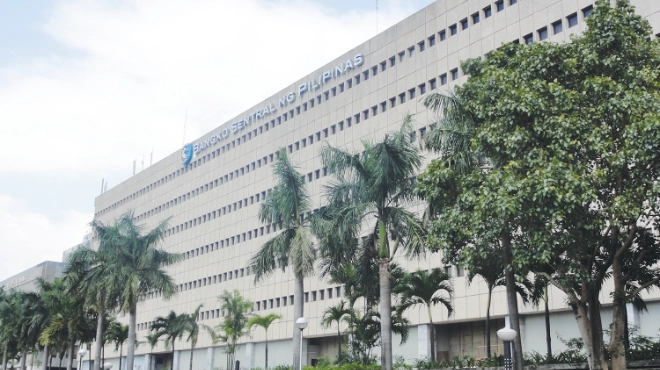
He said the Bangko Sentral ng Pilipinas (BSP) should continue allowing market forces to determine the exchange rate while intervening only to smooth excessive volatility.
Cuisia acknowledged the difficulty of managing the currency under the current environment, saying he would not want to be in BSP Governor Eli Remolona Jr.’s position as the central bank tries to balance peso stability, inflation and the country’s limited foreign exchange reserves.