
Sourced online by Tracy Cabrera
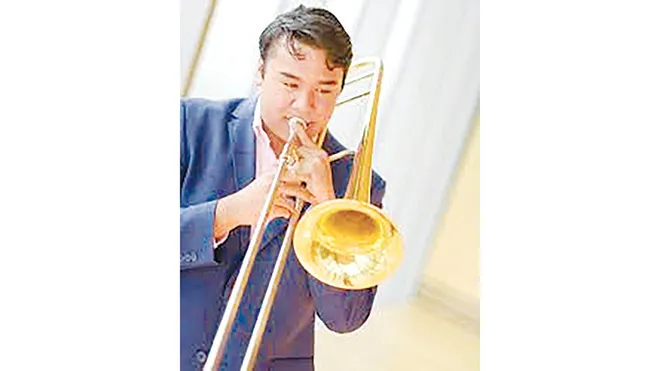
Ian Resurreccion had humble beginnings, playing music on the dusty streets of Alfonso Town in Cavite, but since then he has been performing in concert halls and symphony orchestras overseas.
However, climbing up the ladder of success and reaching musical stardom wasn’t easy for Resurreccion. The first saxophone he held was not his own and like most children in his hometown’s marching band—the San Miguel Banda 8—he practiced using worn-out instruments passed from one player to another, some dented and others with missing parts or both.
Still, those battered instruments changed Ian’s life of poverty to that of triumph and fame. He is now based in Texas, helping ensure that the next generation of Filipino Children will no longer be subject to the hardships he experienced but will begin with better opportunities.
Every now and then, Resurreccion packs a balikbayan box with second-hand musical instruments bound for his hometown in Cavite.
Using his extra money, Ian scours garage sales, flea markets and Facebook Marketplace in Texas for affordable finds—collecting saxophones, trumpets, clarinet and other instruments before shipping them home to aspiring young musicians in Alfonso town.
“Para sa akin napakalapit sa puso ko iyong bandang pinanggalingan ko. Doon ako nagsimula. Way of giving back ko (ito) . . . dahil nakikita ko iyong sarili ko sa mga batang nagsimula doon,” Resurreccion enthused in an interview.
Word about his initiative spread quickly among fellow musicians in Texas and friends from orchestras and bands who learned about his project started donating instruments stowed away in their homes, probably forgotten.
“I have friends here in orchestras and bands who know that story. They remembered that they have a collection of instruments that they don’t use anymore. They’re donating them to our band in the Philippines. I collect them until I can fill a whole box,” he narrates.
Many arrive scratched, dented or no longer playable—but that does not worry Ian: “Although the instruments that I collect are old and broken, we have a lot of talents in the Philippines who are resourceful and repairmen.”
For the Caviteño musician, every repaired instrument represents a chance for another child to discover music. He knows this to be true because once upon a time, he depended on that one chance himself.
“I remember how hard it was in the Philippines. We were sharing an instrument. It was hard to buy, especially for my group when I was a kid in a small town. Our instrument was broken. It was lacking. The effect on a group is big when the instrument is complete. Different sounds. The sound you produce is better. Then, you learn more,” he recalled.
Ian was only 12 when he joined San Miguel Banda 8 after watching it perform during a local parade. He wanted to learn the flute, but there wasn’t one available, so he didn’t insist but picked up a saxophone instead—a decision that eventually earned him admission to the University of Santo Tomas Conservatory of Music.